
The era of AI-assisted software development has fundamentally changed how we build. No longer are developers constrained to manual coding workflows. Tools like Lovable, Claude Code, and Base 44 promise to accelerate development, reduce boilerplate, and democratize coding for non-engineers.
But here’s the catch: not all AI coding tools are created equal.
Although Lovable, Claude Code, and Base 44 all help you build software faster, they solve fundamentally different problems and target different user profiles. Lovable excels at rapid UI prototyping and no-code app building. Claude Code prioritizes developer-centric workflows and code editing within an IDE context. Base 44 focuses on full-stack, production-ready deployment with architectural sophistication.
This Lovable vs Claude Code vs Base 44 comparison cuts through the marketing and provides honest, practical guidance on which vibe coding tool fits your workflow, technical expertise, and project requirements. We’ll walk through features, pricing, real-world use cases, and decision frameworks to help you choose with confidence.
Quick Verdict Table
| Category | Winner | Runner-Up |
| Best Overall | Claude Code | Lovable |
| Best for Beginners | Lovable | Base 44 |
| Best for Developers | Claude Code | Base 44 |
| Best for Startups | Lovable | Claude Code |
| Best for Internal Business Apps | Base 44 | Lovable |
| Best Value | Claude Code Free | Lovable Free Plan |
| Fastest MVP Builder | Lovable | Claude Code |
| Best for Existing Codebases | Claude Code | Base 44 |
Individual Tool Overviews
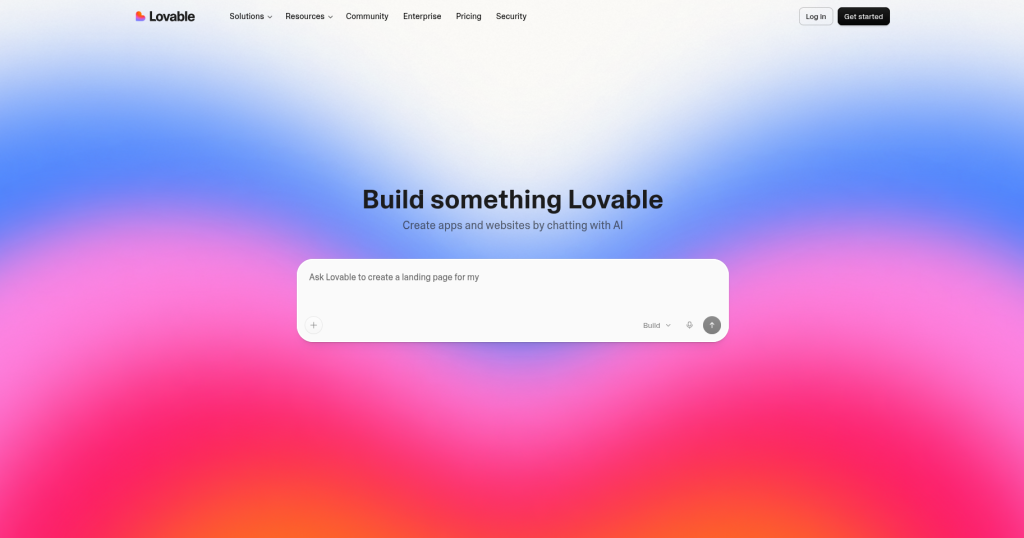
Lovable: The No-Code AI App Builder
Lovable is purpose-built for creators who want to ship polished web applications without writing code. By combining natural language instruction with Claude AI under the hood, Lovable generates full-featured React frontends, handles authentication, and integrates directly with Supabase for data persistence. It’s designed for speed-to-first-working-prototype.
Key Features
- Chat-based project creation and iteration
- Real-time React component generation
- Built-in Supabase integration for databases
- One-click Vercel deployment
- Mobile-responsive designs by default
- Collaborative drafting sessions
- Code export for custom development
- Authentication and user management scaffolding
Pros
- Genuinely fast prototyping (idea to working MVP in hours)
- No coding knowledge required
- Beautiful, modern UI output
- Real-time collaboration on drafts
- Integrated deployment pipeline
- Strong design sensibility in generated components
- Affordable entry point for non-technical founders
Cons
- Backend capabilities are limited (Supabase-dependent)
- No direct code editing after generation
- Limited customization for complex business logic
- Backend AI hallucinations can affect data models
- Not ideal for large, existing codebases
- Vendor lock-in risk with Supabase integration
- Scaling complex features requires coding
Best For
- Non-technical founders building SaaS MVPs
- Designers prototyping interactive concepts
- Startups needing fast user-facing features
- Learning full-stack concepts
- Internal tools and dashboards
- Time-constrained projects under 6 months
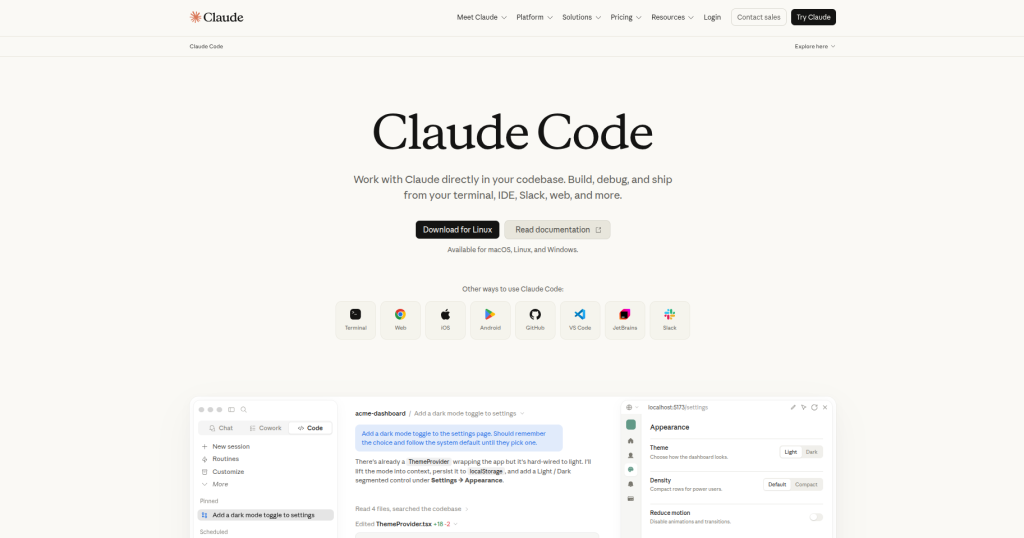
Claude Code: The Developer’s Vibe Coding Companion
Claude Code (Anthropic’s newer offering) brings Claude’s language model directly into developer workflows. It functions as an AI coding copilot and pair programmer, enabling code generation, refactoring, debugging, and architectural discussions within IDEs or terminal environments. It’s designed for developers who want AI assistance without abandoning their existing tools.
Key Features
- Native IDE integration (via Claude in VS Code, terminal, JetBrains)
- Full-codebase awareness and context
- Code generation from prompts
- Refactoring and optimization suggestions
- Debugging assistance and error explanation
- Multi-file editing and project restructuring
- MCP (Model Context Protocol) support for tool integration
- GitHub integration for issue understanding
- Streaming code output for real-time feedback
Pros
- Works within existing developer workflows
- No vendor lock-in (generates standard code)
- Excellent for learning and understanding existing code
- Strong context window for large projects
- MCP support enables custom integrations
- Works with any tech stack (not opinionated)
- Generous free tier for Claude users
- Great for refactoring and optimization
- Can handle complex architectural decisions
Cons
- Requires developer familiarity with code editors
- Not ideal for pure non-coders
- UI/UX generation is functional but not polished
- Steeper learning curve than Lovable
- Requires API key or Claude subscription for full features
- Less opinionated design output
- Database schema generation needs review
- Deployment requires manual setup
Best For
- Professional software developers
- DevOps and infrastructure teams
- Developers improving existing code
- Learning programming concepts
- Technical founders with coding skills
- Agencies with developer teams
- Open-source contributors
- Complex full-stack applications
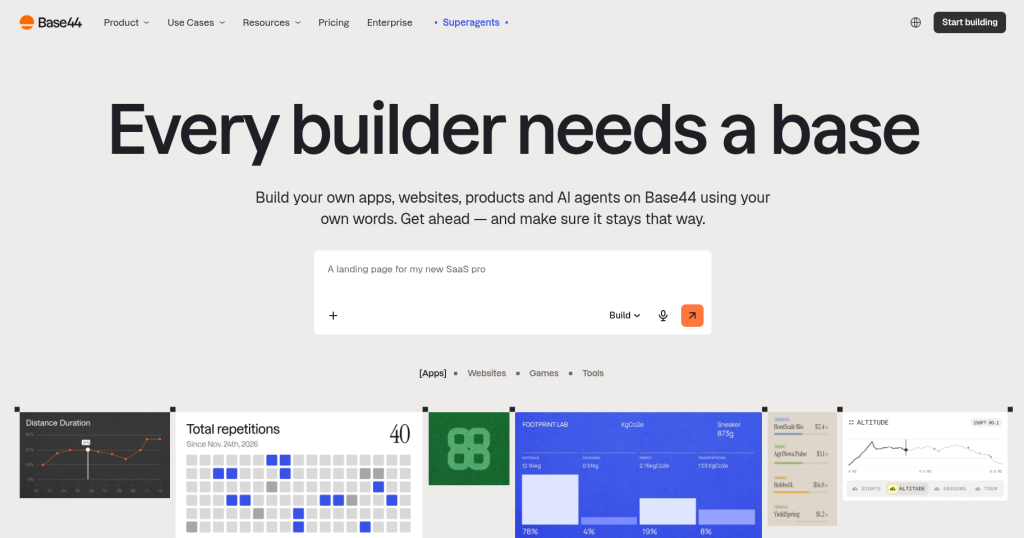
Base 44: The Production-Ready Full-Stack Builder
Base 44 positions itself as the enterprise-grade AI coding platform, emphasizing architectural soundness, production readiness, and sophisticated backend generation. It’s designed for teams building applications that need to scale beyond MVP and integrate with enterprise systems.
Key Features
- Full-stack application generation (frontend, backend, database schema)
- Advanced database design and query optimization
- Enterprise authentication and authorization patterns
- API architecture and documentation
- PostgreSQL optimization and migration handling
- Team collaboration workflows
- Advanced deployment options (multiple cloud providers)
- Audit trails and compliance-ready infrastructure
- Custom domain and SSL support
- Integration with enterprise tools
Pros
- Production-ready code generation from inception
- Strong backend and database architecture
- Enterprise security patterns included
- Team workflows built in
- Handles complex business logic
- Better scalability for growing applications
- Multiple deployment options
- Advanced customization without code
- Professional support available
- Compliance and audit-ready features
Cons
- Steeper learning curve for non-technical users
- Higher pricing tier
- Smaller ecosystem compared to Lovable
- Requires understanding of backend concepts
- Longer initial setup
- Less design polish than Lovable
- Smaller community and fewer templates
- Vendor lock-in similar to Lovable
- Overkill for simple MVP projects
Best For
- Enterprise development teams
- SaaS companies beyond MVP stage
- Complex business applications
- Teams requiring compliance and audit trails
- Production-grade internal tools
- Scalable multi-tenant platforms
- Applications with sophisticated backends
- Developers transitioning from MVP to production
Head-to-Head Comparisons: Lovable vs Claude Code vs Base 44
At-a-Glance Comparison Table
| Feature | Lovable | Claude Code | Base 44 |
| Primary Purpose | No-code app builder | AI code editor | Full-stack rapid development |
| Best For | Prototypes, UI-first projects | Developers, code refinement | Production apps, complex backends |
| Coding Knowledge Required | Minimal | Intermediate to Advanced | Intermediate |
| Frontend Generation | Excellent | Very Good | Excellent |
| Backend Generation | Basic | Moderate | Advanced |
| Database Support | Supabase (primary) | Via MCP/API integration | PostgreSQL, multiple providers |
| AI Code Editing | Limited | Native | Native |
| GitHub Integration | Export only | Full integration | Native integration |
| Deployment | Vercel, custom | GitHub/IDE-native | Vercel, custom, enterprise |
| Collaboration | Real-time drafts | Limited | Team-based workflows |
| Free Plan | Yes (limited) | Yes (generous) | Yes (limited) |
| Starting Paid Price | $20/month | Per-message (Claude API) | $30/month |
| Learning Curve | Shallow | Moderate | Moderate to Steep |
AI Code Generation Quality
Lovable generates clean, functional React components with proper styling and state management. The frontend output is consistently polished and production-ready. However, backend generation is limited to basic database schemas and API scaffolding.
Claude Code excels at contextual code generation tailored to your existing codebase. It can refactor large codebases, understand architectural patterns, and suggest improvements. Quality depends heavily on prompt quality and your ability to review and iterate.
Base 44 produces comprehensive, multi-layered code including optimized database queries, proper API design, and architectural patterns. Backend output is particularly strong. Frontend generation is solid but less design-focused than Lovable.
Winner: Base 44 for backend, Lovable for frontend, Claude Code for refinement.
Frontend Quality and Design
Lovable delivers the most visually polished results by default. Components are modern, responsive, and use contemporary design patterns. No additional design work typically needed.
Claude Code generates functional UIs but requires more customization for production polish. Design output is more utilitarian.
Base 44 produces professional-grade frontends with good default styling, sitting between Lovable and Claude Code in visual appeal.
Winner: Lovable.
Backend Development
Lovable’s backend is intentionally limited. It connects to Supabase but doesn’t generate complex business logic, microservices, or advanced integrations.
Claude Code can help architect backends, but you’re writing and managing code yourself. Great for experienced developers, but requires manual work.
Base 44 generates backend architecture, database schemas, API design, and deployment configurations. Most suitable for production backends.
Winner: Base 44.
Existing Code Editing
Lovable doesn’t edit existing code. It exports generated code for external modification.
Claude Code is built for this. It understands your codebase, explains existing code, refactors efficiently, and suggests improvements.
Base 44 can work with existing projects but is more oriented toward new projects.
Winner: Claude Code.
Ease of Use
Lovable has the shallowest learning curve. If you can describe what you want, Lovable can build it.
Claude Code requires IDE familiarity and some coding knowledge, but the learning curve is manageable for anyone with a programming background.
Base 44 requires understanding of backend architecture, databases, and deployment concepts.
Winner: Lovable, then Claude Code, then Base 44.
Learning Curve
Lovable: Minimal. Most users productive within hours.
Claude Code: Moderate. Developers familiar with coding adapts within days.
Base 44: Steeper. Requires architectural thinking and backend concepts, but documentation is comprehensive.
Integrations
GitHub
- Lovable: Export and manual push to GitHub
- Claude Code: Native integration via MCP and IDE plugins
- Base 44: Full GitHub integration for code sync and versioning
Supabase
- Lovable: First-class integration, built-in
- Claude Code: Possible via prompts and MCP, but requires manual setup
- Base 44: Supported but not primary
Vercel/Netlify
- Lovable: One-click deployment to Vercel
- Claude Code: Requires manual GitHub setup
- Base 44: Multiple deployment targets including Vercel
APIs and Custom Integrations
- Lovable: Limited API generation
- Claude Code: Can help structure and integrate APIs
- Base 44: Strong API design and integration patterns
MCP Support
- Lovable: No native MCP support
- Claude Code: Full MCP support for extending capabilities
- Base 44: Limited MCP integration
Deployment
Lovable offers the simplest deployment path: build, review, deploy to Vercel with one click.
Claude Code requires manual deployment setup but gives full control and flexibility.
Base 44 provides multiple deployment pathways with enterprise options and custom configurations.
For speed: Lovable. For flexibility: Claude Code. For enterprise requirements: Base 44.
Collaboration
Lovable enables real-time collaborative drafting with real-time updates.
Claude Code collaboration happens at the GitHub/code level, suitable for developer teams.
Base 44 includes built-in team workflows, version control, and team-based project management.
Read More : Best Vibe Coding Tools for Beginners in 2026
Pricing Comparison
| Plan | Lovable | Claude Code | Base 44 |
| Free Tier | Limited projects, basic features | Generous (via Claude free tier) | Limited, time-based trials |
| Entry Paid | $20/month (Starter) | Pay-per-message (Claude API) or Claude Pro ($20/month) | $30/month (Starter) |
| Professional | $60/month (Pro) | Claude Pro ($20/month) or Claude Team ($600/month) | $80/month (Professional) |
| Enterprise | Custom | Custom (API pricing) | Custom (contact sales) |
| Per-Project Limits | Usage-based | Token-based | Seat-based + usage |
| Free Credits | Limited | Included with free tier | Limited trial credits |
Value Assessment:
- Lovable is straightforward subscription pricing
- Claude Code’s pricing depends on your Claude subscription (most accessible via Claude Pro)
- Base 44 sits between them with per-seat and usage considerations
For budget-conscious founders, Claude Code offers the best free tier and lowest cost of entry if you’re already a Claude user.
Workflow Scenarios and Recommendations
For Startup Founders
Scenario: You have an idea, limited budget, and 3 months to validate market demand.
Recommendation: Lovable
Lovable lets you ship a working prototype in days, user-test it, and iterate without hiring developers. The $20/month price point won’t strain a lean budget. Build your first version, collect user feedback, then decide if you need to hire or migrate to Base 44.
For SaaS MVP Development
Scenario: You’re building a B2B SaaS product requiring backend complexity, multiple users, and data persistence.
Recommendation: Lovable + Claude Code
Use Lovable for the frontend and basic Supabase schema generation. Export the code. Use Claude Code to refine the backend, add business logic, integrate payment processors, and optimize queries. This hybrid approach balances speed with production readiness.
For Professional Developers
Scenario: You’re an experienced developer looking to write code faster without external platforms.
Recommendation: Claude Code
Claude Code works within your existing workflow (VS Code, terminal, JetBrains). Generate boilerplate, refactor large sections, brainstorm architecture. You maintain full control and can deploy anywhere.
For Enterprise Teams
Scenario: You’re building a production application with compliance, security, and scalability requirements.
Recommendation: Base 44
Base 44’s enterprise features, audit trails, and production-grade code generation justify the cost. You get architecture review built-in, proper authentication patterns, and scalable infrastructure.
For Internal Business Tools
Scenario: Your company needs dashboards, admin panels, or workflow tools quickly.
Recommendation: Lovable
Internal tools don’t need the complexity of Base 44, and Lovable’s speed is valuable. Build, deploy, and iterate based on internal feedback without hiring dedicated developers.
For Freelancers and Agencies
Scenario: You’re offering full-stack development services to clients.
Recommendation: Claude Code + Base 44
Use Claude Code for client code refinement and optimization. Use Base 44 for production-grade deliverables. Both allow you to deliver higher-value, faster without sacrificing quality.
For Beginners Learning AI Coding
Scenario: You’re new to programming and want to understand how AI assists development.
Recommendation: Lovable
Lovable is the gentlest introduction. See working code instantly, learn how prompts drive code generation, and understand full-stack concepts without syntax overwhelm.
For Existing Software Projects
Scenario: You have a mature codebase and want AI assistance for refactoring or optimization.
Recommendation: Claude Code
Claude Code understands your context, preserves your architecture, and integrates with your workflow. It’s made for this scenario.
Best Practices and Strategic Insights
Expert Recommendations
- Start with the right tool for your context: Don’t default to “the best tool.” Choose based on your technical skill level and project stage. Founders: Lovable. Developers: Claude Code. Enterprises: Base 44.
- Use hybrid workflows: Lovable for UI, Claude Code for backend refinement, Base 44 for production deployment. These tools complement each other.
- Export early: Don’t get locked into one platform. Export code from Lovable and Claude Code regularly to reduce vendor dependence.
- Maintain code ownership: Always store generated code in GitHub. This is your safety net if you need to switch tools.
- Test before committing: AI-generated code is functional but sometimes suboptimal. Review generated code, test thoroughly, and refactor for your specific needs.
Common Mistakes
- Mistake 1: Choosing based purely on features. Fit matters more than feature count. A simple tool you enjoy using beats complex tools you avoid.
- Mistake 2: Relying entirely on AI generation for production. Generated code is a foundation, not a finished product. Professional use requires review and iteration.
- Mistake 3: Not considering team dynamics. Solo developers have different needs than teams. Lovable is solo-friendly; Base 44 is team-friendly; Claude Code is developer-community-friendly.
- Mistake 4: Ignoring deployment costs. The tool is free, but running your app isn’t. Factor in Vercel, Supabase, or Base 44 infrastructure costs when budgeting.
- Mistake 5: Starting too ambitious. Build an MVP with constraints. Don’t try to build your complete vision on day one with an unfamiliar tool.
Optimization Tips
- Use Claude Code to review and improve Lovable-generated code before deployment.
- Set up GitHub Actions to test generated code automatically.
- Create prompt templates for recurring tasks in Claude Code.
- Use Base 44’s team features if collaborating, even on small projects.
- Leverage MCP integrations in Claude Code to extend its capabilities.
- Document your architectural decisions so AI tools understand your constraints.
When to Switch Between Tools
Lovable to Claude Code: When your backend becomes complex enough that Supabase alone won’t scale. Take Lovable’s generated frontend, migrate to a robust backend with Claude Code’s guidance.
Claude Code to Base 44: When you need enterprise features like audit trails, compliance, or multi-tenant architecture.
Base 44 to Self-Managed: When your application has unique requirements that Base 44 can’t accommodate. Use Claude Code for ongoing development.
Combining Tools for Maximum Productivity
The most productive workflows combine multiple tools:
- Prototype with Lovable (speed to working UI)
- Refine with Claude Code (improve and extend)
- Deploy with Base 44 or Vercel (production reliability)
- Maintain in GitHub (source of truth)
- Iterate with Claude Code (ongoing improvements)
This cycle maximizes speed without sacrificing quality.
Limitations and Fair Considerations
Vendor Lock-In
- Lovable ties you to Supabase for databases and Vercel for deployment
- Base 44 similarly creates platform dependency
- Claude Code is most portable (standard code, your infrastructure)
AI Hallucinations
All three tools generate code that sounds correct but may have subtle bugs. AI can fabricate APIs, invent functions that don’t exist, or create inefficient logic. Always test and review.
Large Codebase Limitations
- Lovable isn’t designed for existing codebases
- Claude Code struggles with very large monorepos (context window limitations)
- Base 44 has better monorepo support but still has constraints
Pricing Considerations
- Lovable’s pricing is straightforward but becomes expensive at scale
- Claude Code pricing depends on your Claude subscription model
- Base 44’s per-seat pricing can add up for large teams
Customization Limits
- Lovable-generated code is difficult to customize at scale
- Claude Code requires manual customization (less of a limit, more a feature)
- Base 44 provides better customization pathways than Lovable
Production Readiness
- Lovable code is production-ready for UI but backend needs reinforcement
- Claude Code is production-ready if you review it properly
- Base 44 is the most production-ready by default
Security Considerations
- Lovable handles authentication well but relies on Supabase security
- Claude Code doesn’t impose security; you’re responsible
- Base 44 includes enterprise security patterns by default
Final Recommendation Table
| If You Are… | Choose… | Why |
| Non-technical founder | Lovable | Build without coding skills |
| Startup founder (technical) | Lovable | Fastest MVP path |
| Professional developer | Claude Code | Works in your IDE, no lock-in |
| Enterprise team | Base 44 | Production-ready, team features |
| Business owner needing tools | Lovable | Quick internal apps |
| Agency offering services | Claude Code | Works with any tech stack |
| Freelancer building for clients | Base 44 | Enterprise-grade deliverables |
| Learner studying programming | Lovable | Gentlest introduction |
| Experienced architect | Claude Code | Augments your expertise |
| DevOps/Infrastructure team | Claude Code | Infrastructure-as-code assistance |
Conclusion
The Lovable vs Claude Code vs Base 44 comparison reveals three distinct philosophies. Lovable prioritizes speed and accessibility, enabling non-coders to ship products. Claude Code serves developers working within existing workflows, providing powerful assistance without platform lock-in. Base 44 targets enterprises building production-grade applications with architectural sophistication.
There’s no universal winner. Your choice depends on your technical expertise, project stage, team size, and timeline.
Choose Lovable if speed to MVP is your priority and coding isn’t your strength. The one-click deployment and Supabase integration eliminate infrastructure friction.
Choose Claude Code if you’re an experienced developer who wants AI assistance without abandoning your tools. MCP support, IDE integration, and code flexibility make it the developer’s choice.
Choose Base 44 if you’re building a production application requiring scalability, team collaboration, and enterprise-grade infrastructure.
Many teams find success with a hybrid approach: prototype with Lovable, refine with Claude Code, deploy with Base 44 or Vercel, and maintain in GitHub. These tools aren’t mutually exclusive; they’re complementary.
The future of software development isn’t about choosing one AI coding tool. It’s about selecting the right tool for each stage of your project and combining them strategically for maximum velocity without sacrificing quality.
Ready to explore further? Check out our related articles on vibe coding best practices, detailed Lovable and Claude Code reviews, and full-stack AI development strategies.
Frequently Asked Questions
Which is better: Lovable or Claude Code?
It depends on your role. Lovable is better for non-coders and speed; Claude Code is better for experienced developers and flexibility. Lovable builds complete apps fast. Claude Code refines and optimizes code. They solve different problems.
Is Base 44 good for production apps?
Yes. Base 44 is specifically designed for production applications. It generates architecture, databases, and deployment configurations production-ready. It’s overkill for simple MVPs but ideal for scalable applications.
Which AI coding tool is best for beginners?
Lovable. It requires no coding knowledge, produces working apps instantly, and teaches full-stack concepts through seeing generated code. Claude Code requires programming familiarity. Base 44 requires architectural understanding.
Can Lovable replace traditional coding?
For UI-heavy applications and internal tools, yes. For complex backends, APIs, and custom logic, not entirely. Lovable is excellent for 60-70% of most business applications but eventually needs developer input.
Does Claude Code support GitHub?
Yes, through MCP integration and IDE plugins. You can push generated code to GitHub, create branches, and manage versions. It integrates naturally with your existing Git workflow.
Which AI coding tool offers the best free plan?
Claude Code, if you’re already using Claude Pro. Lovable’s free tier is limited. Base 44’s trial is time-restricted. Claude Code’s free tier (via Claude’s free usage) is most generous for developers.
Can Base 44 build SaaS applications?
Absolutely. Base 44 is designed for SaaS applications. It handles multi-tenancy, authentication, payments integration scaffolding, and scalable architecture. It’s one of Base 44’s primary use cases.
Which AI coding tool scales best for enterprise projects?
Base 44. It includes team features, compliance patterns, audit trails, and enterprise integrations. Claude Code scales well for developer teams but requires infrastructure setup. Lovable scales to a point but eventually needs customization.
What is the best vibe coding tool in 2026?
All three are excellent, depending on context. Lovable dominates no-code MVP building. Claude Code leads developer-centric workflows. Base 44 owns production enterprise development. The best tool is the one matching your situation.
Which AI coding platform should startups choose?
Lovable for pre-product-market-fit validation. Claude Code for technical founders with development experience. Base 44 if you’re already post-MVP and need production architecture. Most startups start with Lovable and migrate as they scale.